When the Radar Turns Red: Inside a Food Festival's Go/No-Go Call
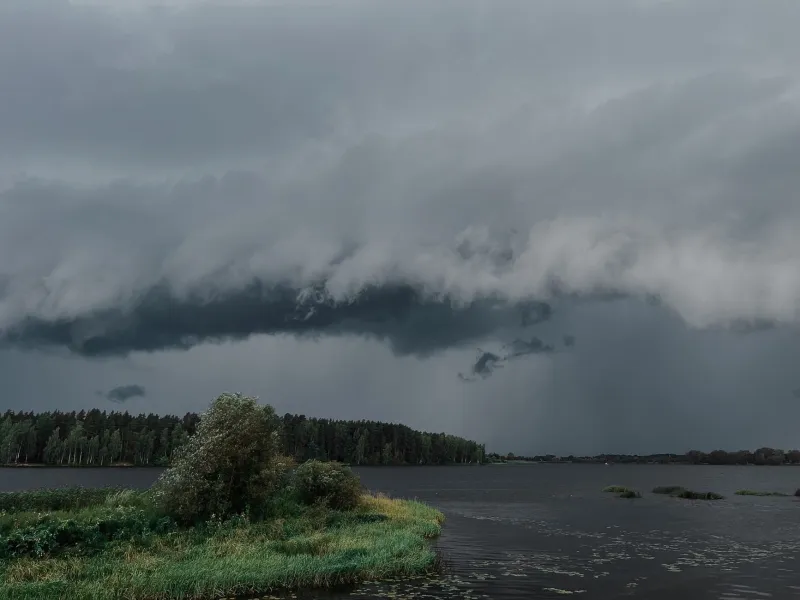
It's 4:40 a.m. on a Saturday in late September, and the radar loop on a festival director's laptop shows a squall line forming two counties west. The brisket went on the smokers six hours ago. The ice is stacked in a rented refrigerated trailer. Four hundred tasting wristbands sold out three weeks back. Nobody in the group chat is talking about the band lineup anymore.
Severe weather is the least glamorous part of the food-festival business, and the part almost nobody plans for until they've been burned once. So we asked organizers, vendors, and safety consultants around the country how the decision actually gets made—and what happens to your $65 wristband when it does.
The clock starts 72 hours out, not at showtime
The good organizers aren't watching the forecast the morning of. They're in what one Midwest event director calls "the watching window" three days ahead, pulling from National Weather Service briefings, local emergency management contacts, and a paid lightning-detection feed that pings a phone when strikes land within a set radius.
By T-minus-48 hours, most events have moved from watching to modeling: Can the site handle two inches of rain? Does the grass lot flood at the low end? Which vendors need generator power if the site's electrical gets shut down?
At T-minus-24, the calls get real. That's when a promoter typically confirms staffing, decides whether to pre-stage sandbags and extra dumpsters, and drafts the message that goes to vendors first—never to the public first. Vendors who learn about a delay from Instagram are vendors who show up with 300 pounds of thawed chicken and no plan.
Somebody else may hold the switch
Here's a thing attendees rarely realize: the festival doesn't always get to decide. Fire marshals, parks departments, and venue operators frequently hold the authority to shut a site down, and many cities have hard lightning protocols written into the special-event permit.
The industry default is close to the NWS guidance: when the time between a lightning flash and its thunder drops under 30 seconds, or strikes land within roughly 8 to 10 miles, you clear the grounds. Play resumes 30 minutes after the last strike in the radius. Organizers who try to ride out a cell because the gates already opened usually only get one chance to make that mistake.
The group text is the real infrastructure
Ask any seasoned vendor what separates a well-run festival from a chaotic one and you'll hear some version of: they told us early, and they told us the same thing twice.
Strong events run a communication cascade—a mass text, a follow-up email with the exact timeline, and a human on the phone for anyone who doesn't acknowledge. Bigger festivals divide the site into zones with a captain per zone. Pre-written message templates get drafted in the spring, so nobody's composing a calm, accurate update from scratch at 5 a.m.
Vendors, meanwhile, prep a rain kit before they ever load the truck: weighted canopy legs, sidewalls, waterproof bins for dry goods, backup generator, extra tarps, a printed copy of the event's emergency contact sheet.
Food safety doesn't get a rain delay
This is where the stakes get genuinely serious. Under FDA Food Code time-as-a-public-health-control provisions—adopted in some form by nearly every state health department—food held without temperature control gets four hours, then it goes in the trash. Not the cooler. The trash.
A rain delay that stretches past that window can wipe out a vendor's entire day of inventory, which is why experienced operators run tight batches in bad weather instead of cooking ahead. They keep temperature logs, they keep ice on hand, and they know that a canopy in a 40 mph gust is a sail, not a shelter. Most health departments also bar open-flame cooking under a canopy in high wind, no matter how good your setup is.
The wristband question nobody wants to answer at the gate
Refund policies for tasting wristbands are all over the map. Plenty of events sell on a rain-or-shine basis with no refunds, which is legal in most jurisdictions as long as it's disclosed before purchase. Others offer a rollover to Sunday, a credit toward next year, or a tiered partial refund if the event ran fewer than a set number of hours.
The practical advice from organizers who've been through it: put the policy in bold at checkout, not in an FAQ three clicks deep. Sell a cheap weather-guarantee add-on if your ticketing platform supports it. And buy event cancellation coverage, because a single washed-out Saturday can mean six figures of sunk cost and a year of vendor relationships to rebuild.
If you're going: a short, unsentimental list
- Screenshot the schedule and the rain policy before you leave the house. Cell service at a crowded fairground is a rumor.
- Check the festival's social accounts, not the local news, for the official call.
- Wear real shoes. Wet asphalt and flip-flops have ended more festival days than rain has.
- Eat the seafood and the raw-bar stuff early. Nobody's oyster is improving as the afternoon wears on.
If you're planning: the checklist that saves the season
Write the go/no-go timeline now, with named decision-makers and hard trigger points. Get the venue's shutdown authority in writing. Build the vendor alert list in February and test it once in the spring. Pre-draft every message. Stock the site with weighted ballast and covered handwash stations. Publish your weather policy at the point of sale. And budget for insurance like it's a line item, not a fantasy.
The sky is going to open on somebody's festival this year. The only variable is whether the phone call happens at 5 a.m. with a plan, or at 11 a.m. with an apology.