The Real Math Behind Your Festival Tasting Wristband
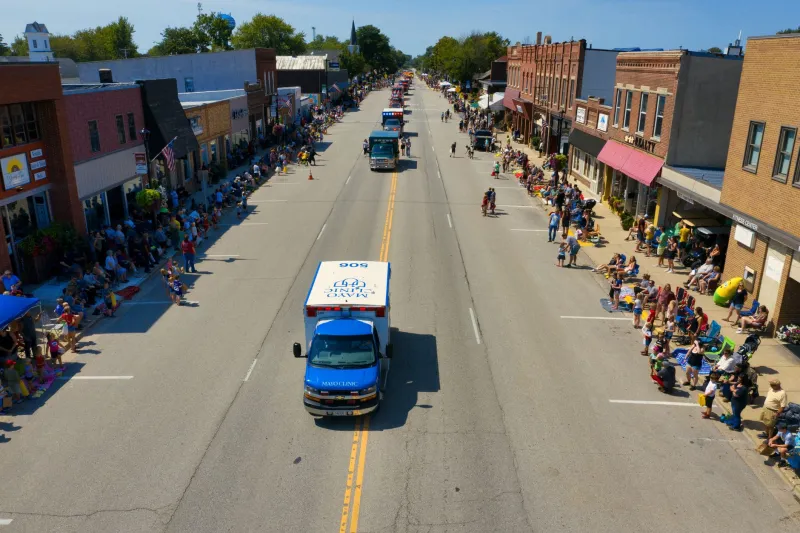
The first thing to know about a festival tasting wristband is that it is not a food bill. It is a bet. The organizer bets that enough people will show up to cover fencing, insurance, porta-potties, permits, security, and the band. The vendor bets that a $1,200 booth fee will turn into enough sales to pay for fuel, labor, and the brisket that might not sell. The attendee bets that the $60 wristband will buy a good afternoon. In 2026, that bet is getting more expensive to place.
I spoke with three people who live inside these numbers: Maya Ellison, who organizes a 40-vendor street fair in central Ohio; Danny Cruz, who runs a mobile taco rig in California's Central Valley; and Priya Raman, a North Carolina event planner who budgets food festivals for municipalities. They did not agree on much, which is the point. There is no single villain in the tasting-ticket economy.
The wristband is not the price of food
Ellison's event sells a $45 tasting wristband that includes 10 tickets. To an attendee, that reads as $4.50 per taste. To Ellison, it reads as a math problem. Her budget includes city permits, event insurance, temporary fencing, sanitation, security, marketing, staff radios, signage, and a reserve for rain. The tasting tickets are one revenue line among several, alongside vendor booth fees and sponsorships.
Vendors pay for the privilege of being there. Cruz says a weekend booth at a mid-size festival can run $400 to $1,200, before he plugs in a generator or pays a second cook. He also needs a commissary kitchen, a health permit, liability insurance, fuel, and a place to sleep. His food cost alone can eat 30% of sales. If the festival is three hours from home, he is not really making money until Saturday afternoon.
Where the money actually goes
Raman puts municipal food festivals into three buckets: fixed costs, variable costs, and wishful thinking. Fixed costs include permits, insurance, staff, and infrastructure. Variable costs include trash pickup, security hours, and the extra porta-potties nobody wants to pay for until the line gets long. Wishful thinking is the sponsorship money that arrives late or not at all.
Then there is the ticket split. If a $1 tasting ticket pays the vendor 75 cents, the organizer keeps a quarter for the ticket system, staff, and overhead. That quarter adds up, but so does the cost of handling cash, wristbands, and refunds. Some festivals now use digital credits instead of paper tickets. That can be faster, but it also means card fees and platform fees enter the equation.
Why tasting portions feel like a bad deal
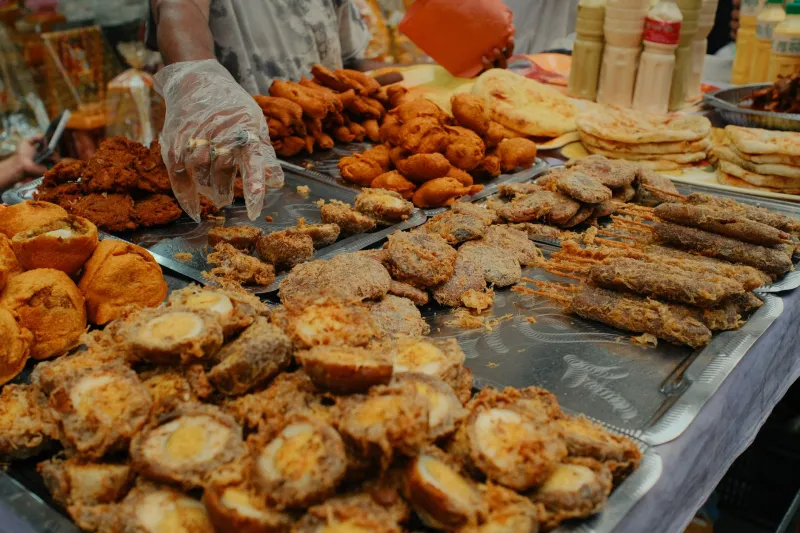
A tasting portion is not a regulated unit. One vendor's taste is a full slider; another's is a spoonful of mac and cheese. That inconsistency makes it hard to compare value across a festival. It also gives vendors room to protect their margins. Cruz says he prices tastes so that a customer who buys three is roughly paying for a full plate. If he priced every taste like a mini meal, he would lose money on labor and packaging.
The fair-value question is not whether a single taste feels expensive. It is whether the total experience makes sense. A $50 wristband at a 10-vendor festival with tiny portions is a different proposition from a $50 wristband at a 40-vendor festival where two tastes make a meal. Vendor count matters. Portion size matters. So does the ratio of local restaurants to traveling carnival food.
What fair value looks like in 2026
Here is a practical checklist I would use before buying a tasting wristband in 2026. First, count the vendors. If the festival has fewer than 15 food vendors, a $60 pass needs a very good explanation. Second, look for published tasting sizes or photos. If the organizer will not show you what a taste looks like, assume it is small. Third, check what is included beyond food: water, seating, shade, live music, and bathrooms are part of the value.
Fourth, ask how vendors are chosen. A festival that mixes local taquerias, bakeries, and barbecue pits is usually a better bet than one filled with the same funnel-cake trailer that follows the carnival circuit. Fifth, compare the total spend. A $40 wristband plus $20 in water and parking is a $60 afternoon. A $70 wristband with free water and easy transit might be the better deal.
Finally, judge transparency. Does the organizer explain the ticket split? Are vendor prices posted? Is there a refund policy for weather? Fair value is not the cheapest wristband. It is the one that tells you where the money goes and still leaves room for a small vendor to make a living. That is the math worth paying attention to.